.png)
Vertical Gardens (Living Walls/Green Walls)
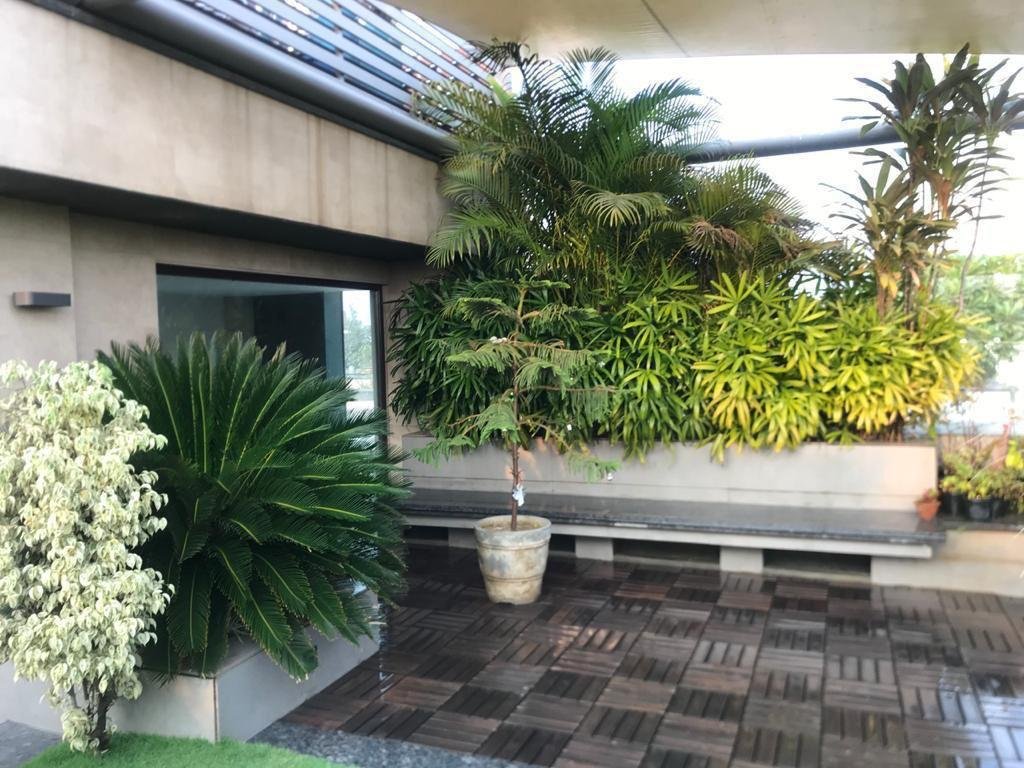
Vertical gardens, also known as living walls or green walls, represent a unique and innovative approach to gardening and urban landscaping. These installations of lush foliage not only enhance the aesthetic appeal of urban environments but also offer practical benefits such as improving air quality and maximizing limited space.
• Structure and Setup:
Vertical gardens can be installed indoors or outdoors, utilizing specially designed systems or custom-built frames. These structures contain pockets or planting cells where plants are placed to grow vertically.
• Plant Selection:
Plants are chosen based on location, available light, and climate suitability. They are selected for their compact growth habits and adaptability to vertical growth conditions.
• Benefits of Vertical Gardens:
• Maintenance:
Regular watering, fertilizing, pruning, and pest monitoring are necessary for maintaining healthy vertical gardens. Automated irrigation systems are often used to ensure consistent moisture levels.
• Design Flexibility:
Offers endless design possibilities, adaptable to various architectural styles and client preferences.
• Installation Considerations:
Proper installation is critical for structural integrity and long-term success, addressing factors like wall preparation, irrigation, and drainage.
• Customization:
Vertical gardens can be customized for commercial spaces, residential areas, or public buildings to meet specific client needs.
• Step-by-Step Process:
Site Selection and Assessment: Choose a suitable location based on light availability and space.
Design and Planning: Create a design plan considering plant selection, structure type, and aesthetic goals.
Vertical Garden Structure: Install the vertical garden framework using quality materials and precise measurements.
Growing Medium and Planting: Select appropriate growing media and plant varieties suited for vertical growth. Plant according to the design plan.
Irrigation System: Set up an efficient irrigation system to ensure plants receive adequate water and nutrients.
Maintenance: Regularly care for the vertical garden by watering, pruning, and monitoring plant health.
Lighting and Climate Control (Indoor Vertical Gardens): Install appropriate lighting and climate control systems if creating an indoor vertical garden.
Regular Upkeep: Continuously maintain and adjust the vertical garden as needed to promote healthy plant growth and longevity.
Terrace Garden Asia specializes in creating and maintaining lawns, plantations, and vertical gardens, employing high-quality measures and calibrated laser machinery for optimal results based on designs crafted by our landscaping architects and designers.
.png)
.png)
.png)
.png)
.png)
.png)
.png)