.png)
A lawn is an area of soil-covered land planted with grasses and other durable plants such as clover, maintained at a short height with a lawn mower or grazing animals. It is primarily used for aesthetic and recreational purposes, providing a green space for various outdoor activities.
Purpose: Lawns are cultivated to create a visually appealing and functional outdoor space. They are ideal for activities like sports, picnics, and relaxation.
Plants: Lawns consist mainly of grass species selected for their ability to form a dense, low-lying carpet of greenery. Common species include Kentucky bluegrass, Bermuda grass, and fescue.
Maintenance: Regular maintenance includes mowing, watering, fertilizing, and weed control to keep the lawn healthy and well-groomed.
Design: Lawns can be designed in different shapes and sizes to enhance the overall landscape, often bordered by shrubs, flowers, or other features.
• Plantations:
A plantation is a large-scale agricultural or forestry operation focused on cultivating specific crops or trees for commercial purposes.
Purpose: Plantations serve various purposes such as timber production, fruit cultivation, or crops like rubber and palm oil.
Plants: The choice of plants depends on the plantation's purpose. Timber plantations may include fast-growing species like pine or eucalyptus, while fruit plantations might have apple or orange trees.
Maintenance: Plantations require tailored practices such as pruning, irrigation, pest control, and harvesting to ensure optimal crop growth and yield.
Layout: Typically laid out in rows or grids for efficient management and harvesting, with careful spacing between plants to maximize productivity.
• Step-by-step Process for Vertical Gardens:
Site Selection and Assessment: Choose a suitable location based on light availability and space.
Design and Planning: Create a design plan considering plant selection, structure type, and aesthetic goals.
Vertical Garden Structure: Install the vertical garden framework using quality materials and precise measurements.
Growing Medium and Planting: Select appropriate growing media and plant varieties suited for vertical growth. Plant according to the design plan.
Irrigation System: Set up an efficient irrigation system to ensure plants receive adequate water and nutrients.
Maintenance: Regularly care for the vertical garden by watering, pruning, and monitoring plant health.
Lighting and Climate Control (Indoor Vertical Gardens): Install appropriate lighting and climate control systems if creating an indoor vertical garden.
Regular Upkeep: Continuously maintain and adjust the vertical garden as needed to promote healthy plant growth and longevity.
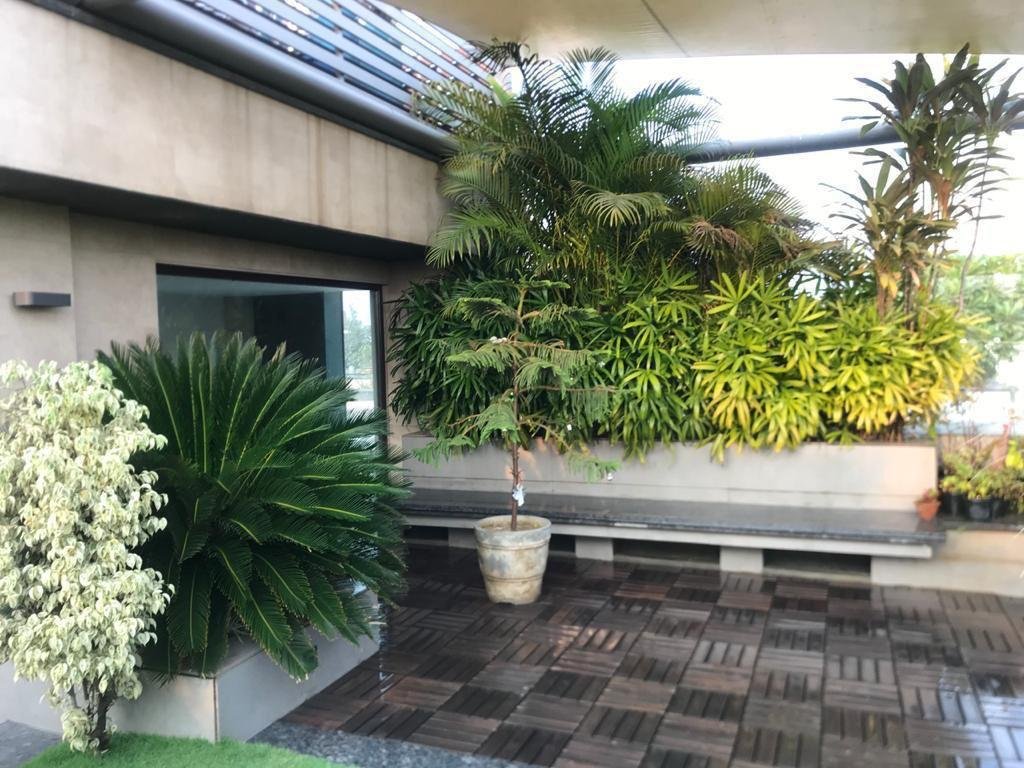
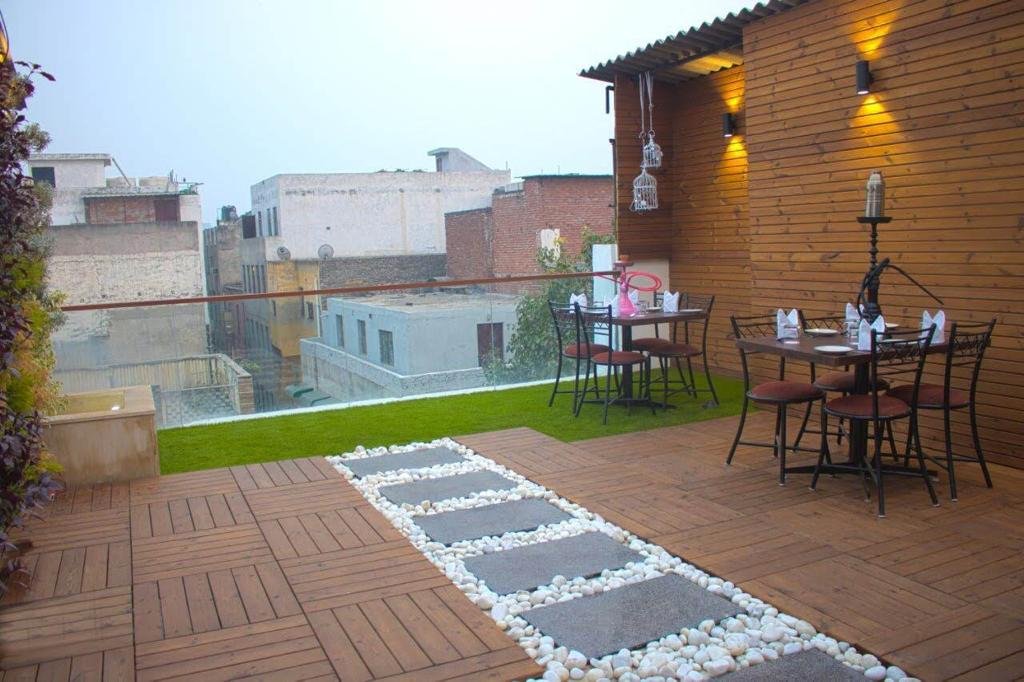
Terrace Garden Asia specializes in creating and maintaining lawns, plantations, and vertical gardens, employing high-quality measures and calibrated laser machinery for optimal results based on designs crafted by our landscaping architects and designers.
.png)
.png)
.png)
.png)
.png)
.png)
.png)
.png)
.png)
.png)